Understanding Beef and Pork Cuts at Merle's Place
- toolmakerman48
- 8 hours ago
- 4 min read
When it comes to selecting the perfect cut of meat for your next meal, understanding the different types of beef and pork cuts is essential. At Merle's Place, we pride ourselves on offering a wide variety of high-quality meats, and knowing how to choose the right cut can elevate your cooking experience. In this guide, we will explore the various cuts of beef and pork, their characteristics, and the best cooking methods for each.
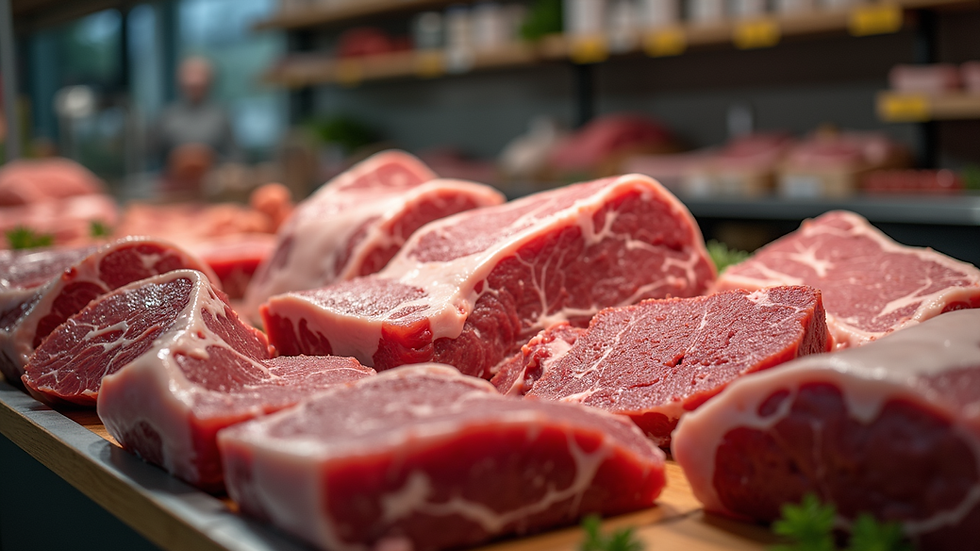
The Basics of Meat Cuts
Before diving into specific cuts, it's important to understand how meat is categorized. Both beef and pork are divided into primal cuts, which are then further broken down into sub-primal and retail cuts.
Primal Cuts
Beef Primal Cuts: The main primal cuts of beef include the chuck, rib, loin, round, flank, plate, and brisket. Each of these sections has unique characteristics and flavors.
Pork Primal Cuts: Pork is typically divided into the shoulder, loin, belly, and ham. Each primal cut offers different textures and tastes.
Sub-Primal and Retail Cuts
Once the primal cuts are established, they can be further divided into sub-primal cuts. For example, the loin primal cut can be broken down into tenderloin, strip steak, and T-bone steak. Retail cuts are what you typically find in grocery stores and butcher shops.
Exploring Beef Cuts
Beef is a versatile meat that can be prepared in numerous ways. Here are some of the most popular cuts of beef available at Merle's Place:
Chuck
The chuck cut comes from the shoulder area and is known for its rich flavor. It's often used for:
Pot Roasts: Ideal for slow cooking, chuck roasts become tender and flavorful when braised.
Ground Beef: Chuck is commonly used for ground beef due to its balance of meat and fat.
Rib
The rib primal cut is famous for its tenderness and flavor. Notable cuts include:
Ribeye Steak: Known for its marbling, ribeye is perfect for grilling or pan-searing.
Prime Rib: A classic choice for special occasions, prime rib is often roasted and served with au jus.
Loin
The loin is one of the most tender sections of beef. Key cuts include:
Tenderloin: The most tender cut, often used for filet mignon.
T-Bone Steak: A combination of tenderloin and strip steak, T-bones are great for grilling.
Round
The round cut comes from the rear leg of the cow and is leaner than other cuts. It's best for:
Roasting: Round roasts can be flavorful when cooked properly.
Stews: The lean nature makes it suitable for slow-cooked dishes.
Exploring Pork Cuts
Pork is another versatile meat that can be enjoyed in various forms. Here are some popular cuts of pork available at Merle's Place:
Shoulder
The shoulder cut is known for its rich flavor and is often used for:
Pulled Pork: Ideal for slow cooking, shoulder cuts become tender and flavorful.
Chops: Pork shoulder chops are juicy and great for grilling.
Loin
The loin cut is lean and tender, making it a favorite for many. Notable cuts include:
Pork Tenderloin: A lean and tender cut, perfect for roasting or grilling.
Pork Chops: Loin chops are versatile and can be cooked in various ways.
Belly
Pork belly is known for its rich flavor and high-fat content. It's commonly used for:
Bacon: The most popular use of pork belly, bacon is loved for its crispy texture.
Braised Dishes: Pork belly can be braised to create tender, flavorful meals.
Ham
Ham is a popular cut that comes from the hind leg of the pig. It's often used for:
Holiday Meals: Baked ham is a classic dish for celebrations.
Sandwiches: Sliced ham is a favorite for sandwiches and charcuterie boards.
Cooking Methods for Beef and Pork Cuts
Understanding the best cooking methods for each cut can enhance your culinary experience. Here are some recommended techniques:
Grilling
Grilling is perfect for tender cuts like ribeye, T-bone, and pork chops. The high heat creates a delicious crust while keeping the inside juicy.
Roasting
Roasting is ideal for larger cuts like prime rib and pork shoulder. Slow cooking at a low temperature allows the meat to become tender and flavorful.
Braising
Braising is a great method for tougher cuts like chuck and pork shoulder. Cooking slowly in liquid helps break down the meat fibers, resulting in tender dishes.
Searing
Searing is best for cuts like tenderloin and ribeye. Quickly cooking the meat at high heat locks in juices and creates a flavorful crust.
Pairing Cuts with Sides and Sauces
To elevate your meal, consider pairing your meat cuts with complementary sides and sauces. Here are some suggestions:
Beef Pairings
Ribeye: Serve with garlic mashed potatoes and a red wine reduction.
Chuck Roast: Pair with roasted vegetables and a rich gravy.
Pork Pairings
Pork Tenderloin: Complement with apple chutney and sautéed greens.
Pulled Pork: Serve with coleslaw and cornbread for a classic BBQ experience.
Conclusion
Understanding the various cuts of beef and pork available at Merle's Place can greatly enhance your cooking and dining experience. By knowing the characteristics of each cut and the best cooking methods, you can create delicious meals that impress your family and friends.
Next time you visit Merle's Place, take a moment to explore our selection of meats and ask our knowledgeable staff for recommendations. With the right cut in hand, you’re well on your way to a fantastic meal. Happy cooking!

Comments